Source Compact Two-Winding Copper Transformer for Power, Electronic, and Instrument uses
Find and compare a Compact Two-Winding Copper Transformer from 30 verified listings. Evaluate options for power distribution, electronic instrumentation, and combined applications based on core type, cooling method, and certification standards.
Key considerations
Products List


High-Efficiency 2000kVA Copper Winding Transformer for Power Solutions
$19400.00 - $19600.00
MOQ: 1 Pieces


Bare Copper Magnet Cable Transformer Winding Conductor Bare Copper Wire
$12000.00 - $12222.00
MOQ: 1000 Tons

Transformer Winding High Conductivity Copper Conductor Bare Copper Conductor
$12000.00 - $12222.00
MOQ: 1000


Advanced Energy Efficient Power Transformer with Superior Copper Wire Winding
$0.02 - $0.12
MOQ: 500 Pieces


High Voltage Switching Power Supply Transformer with Copper Wire Winding
$0.02 - $0.12
MOQ: 500 Pieces
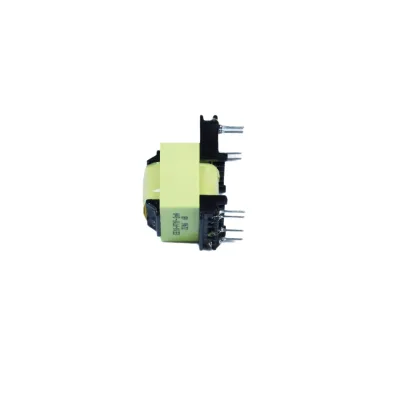

Copper Winding Split-Core Transformer for Safe Electrical Applications
$298.51 - $2985.07
MOQ: 1 Pieces

Efficient 10kv Copper Winding Distribution Transformer for Industrial Use
$1500.00 - $13000.00
MOQ: 1 Pieces


Reliable Energy-Saving Transformer with Copper Winding for Industrial Applications
$1194.03 - $11940.30
MOQ: 1 Pieces


380V to 220V Step Down Copper Winding Power Transformer with Enclosure
$108.00 - $1399.00
MOQ: 1 Pieces
Comprehensive Sourcing Guide
Compact Two-Winding Copper Transformer Sourcing Guide
Sourcing compact two-winding copper transformers requires a disciplined approach that balances physical footprint constraints with electrical performance reliability. Buyers must recognize that "compact" is a relative term heavily influenced by cooling methods, insulation classes, and core geometry. The decision to specify a two-winding configuration simplifies the magnetic circuit compared to auto-transformers or multi-winding variants, offering a robust solution for standard voltage transformation tasks. However, the material choice of copper for the windings introduces specific cost and weight considerations that differ significantly from aluminum alternatives. Understanding these foundational trade-offs is the first step in defining a procurement specification that meets both engineering requirements and budgetary limits.
The global supply chain for these components is dominated by manufacturers in China, with significant production hubs in regions such as Hefei, Anhui, and Henan. This geographic concentration offers buyers access to a wide variety of models, ranging from small electronic transformers to large power distribution units. While the volume of suppliers is high, the diversity of product types means that a single supplier may not cover the entire spectrum of transformer technologies. Buyers should therefore segment their search based on the specific application, whether it involves power distribution, electronic instrumentation, or lighting systems, to ensure they engage with manufacturers who possess the relevant tooling and expertise for their specific needs.
Product Scope and Observed Listing Signals
The market for compact two-winding copper transformers encompasses a broad range of product types, primarily categorized by their cooling method and intended usage. Dry-type transformers are frequently listed with certifications such as CCC and ISO9001, indicating their suitability for indoor environments where fire safety and environmental compliance are paramount. These units often feature core-type constructions and are designed for distribution or power transformation tasks. In contrast, oil-immersed variants are typically reserved for outdoor or heavy-duty industrial applications, offering different thermal management characteristics. Buyers must carefully distinguish between these categories, as the physical size, weight, and maintenance requirements vary drastically between dry and oil-immersed designs.
Observed listing signals reveal a significant variation in product models and standardizations, reflecting the modular nature of transformer manufacturing. Models such as SCB, IKP-EE65-004R, and TF-RM1000 represent different design philosophies, with some focusing on high-frequency electronic applications and others on power frequency distribution. The presence of specific core shapes, such as EE, OD, or Ring cores, provides immediate insight into the transformer's intended use case. For instance, EE cores are common in electronic and audio applications, while ring cores are often associated with power frequency distribution transformers. Buyers should use these model identifiers and core shapes as primary filters to narrow down the supplier pool to those capable of producing the specific form factor required for their compact design constraints.
Technical Specifications to Verify
Verifying the technical specifications of a compact two-winding transformer begins with confirming the phase configuration and frequency characteristics. While many power distribution transformers are three-phase, compact electronic or lighting transformers may be single-phase. The frequency rating, typically 50/60Hz for power applications or higher for electronic uses, must align with the local grid or circuit requirements. Additionally, the winding type must be explicitly confirmed as two-winding, as some listings may include multi-winding or auto-transformer configurations that do not meet the isolation or voltage ratio requirements of the design. Buyers should request detailed datasheets that specify the turns ratio, impedance voltage, and low voltage ratings to ensure compatibility with the downstream equipment.
Thermal performance and insulation class are critical factors in determining the compactness and longevity of the transformer. High-efficiency ratings, such as 99% to 99.99%, indicate lower heat generation, which allows for smaller cooling surfaces and reduced overall volume. The insulation class, often rated as Class F or higher, dictates the maximum operating temperature and directly impacts the service life, which can exceed 20 years for well-designed units. Buyers must also verify the cooling method, whether dry-type or oil-immersed, as this affects the enclosure design and safety protocols. For dry-type units, the absence of liquid coolant allows for more flexible mounting options but requires adequate air circulation, which can influence the final package dimensions.
Compliance and Safety Documentation
Compliance with international and regional standards is non-negotiable for transformer procurement, particularly when dealing with electrical safety and environmental regulations. Certifications such as ISO9001, CCC, RoHS, SGS, and UL are commonly cited in supplier listings and serve as indicators of manufacturing quality and regulatory adherence. ISO9001 certification ensures that the supplier follows a consistent quality management system, which is crucial for maintaining product consistency across batches. CCC certification is mandatory for products sold in China, while UL and RoHS are often required for exports to North America and Europe, respectively. Buyers should verify the validity of these certificates and ensure they cover the specific model being purchased, as certifications may not always extend to all product variants from a single manufacturer.
Beyond product-specific certifications, buyers must consider the broader regulatory framework, including standards like IEC 61558-1, which governs the safety of power transformers. Although specific standard references may vary by region, adherence to IEC guidelines is a global best practice for ensuring electrical safety and performance reliability. Documentation should also include test reports that verify key performance metrics, such as insulation resistance, dielectric strength, and load loss. Buyers should request these documents during the quotation phase to assess the supplier's testing capabilities and transparency. Without proper documentation, even a technically compliant transformer may pose significant risks in terms of safety and regulatory compliance in the end market.
Cost Drivers and Commercial Terms
The cost of a compact two-winding copper transformer is influenced by several key factors, including the amount of copper used, the core material, and the complexity of the insulation system. Copper is a premium material compared to aluminum, offering superior conductivity and thermal performance, but it also drives up the raw material cost. The size of the transformer, often defined by its rated capacity, directly correlates with the amount of material required. For example, models ranging from 30kVA to 2500kVA will have significantly different cost structures due to the scale of materials and manufacturing processes involved. Buyers should analyze the cost per kVA to compare different suppliers and models on a standardized basis.
Commercial terms, including minimum order quantities (MOQ) and packaging requirements, also play a significant role in the total cost of ownership. MOQs can range from as low as one unit for prototype or small-scale projects to 5000 units for large industrial deployments. Packaging is another critical consideration, with options such as wooden packages, cartons, or pallets affecting shipping costs and product protection. Wooden cases are often used for larger or heavier transformers to ensure safe transit, while cartons may suffice for smaller electronic transformers. Buyers should negotiate clear terms regarding packaging standards and MOQ flexibility to avoid unexpected costs and logistical challenges during the procurement process.
Supplier Qualification and Quality Control
Qualifying a supplier for compact two-winding copper transformers requires a thorough assessment of their manufacturing capabilities and quality control processes. Buyers should verify the supplier's production capacity, lead times, and ability to handle customization requests, as many transformers are tailored to specific application requirements. Customization availability is a key differentiator, allowing buyers to adjust dimensions, voltage ratios, or mounting configurations to fit their compact design constraints. Suppliers with a strong track record in producing transformers for specific applications, such as power, electronic, or lighting sectors, are more likely to deliver products that meet precise engineering specifications.
Quality control measures should be explicitly defined in the purchase agreement, including incoming material inspections, in-process testing, and final product validation. Buyers should inquire about the supplier's testing equipment and procedures, particularly for verifying insulation class, efficiency, and impedance voltage. Third-party inspection services can be employed to conduct pre-shipment inspections, ensuring that the delivered products meet the agreed-upon specifications. Additionally, warranty terms, typically ranging from one year, provide a safety net for buyers in case of early failures. Establishing a clear quality assurance framework with the supplier helps mitigate risks and ensures consistent product performance over the transformer's service life.
Long-Term Procurement Checks
Long-term procurement success depends on establishing a robust relationship with suppliers that prioritizes continuous improvement and adaptability. Buyers should regularly review supplier performance metrics, including on-time delivery rates, defect rates, and responsiveness to technical queries. This ongoing evaluation helps identify potential issues early and fosters a collaborative environment for problem-solving. Suppliers who demonstrate a commitment to quality and customer service are more likely to provide reliable support throughout the product lifecycle, including after-sales service and technical assistance. Building these relationships can lead to better pricing, priority production scheduling, and access to new product innovations.
As technology evolves, buyers must remain vigilant about changes in regulatory requirements, material availability, and industry standards. Regularly updating procurement specifications to reflect the latest compliance standards and efficiency requirements ensures that the transformers remain relevant and compliant in the end market. Additionally, monitoring market trends for alternative materials or designs, such as amorphous core transformers or advanced cooling technologies, can provide opportunities for cost savings or performance enhancements. By maintaining a proactive approach to supplier management and market analysis, buyers can secure a stable supply of high-quality compact two-winding copper transformers that meet their long-term operational needs.
FAQs
What certifications are available for compact two winding copper transformers?
Available certifications include CCC and ISO9001 for dry-type models. Some variants also meet RoHS, SGS, and UL standards. These certifications ensure compliance with international quality and safety requirements for power and electronic applications.
Can I customize compact two winding copper transformers for specific needs?
Yes, customization is available for these transformers. Buyers can request specific configurations to suit unique power or electronic application requirements. This flexibility allows for tailored solutions in distribution, power, and combined transformer scenarios.
What is the typical service life of these transformers?
The service life is more than 20 years. This durability ensures long-term reliability for power and electronic applications. The robust construction supports consistent performance in distribution and power transformer roles over extended operational periods.
What packaging options are provided for these transformers?
Packaging options include wooden packages, cartons, and pallets. Wooden cases are also used for certain models. These secure packaging methods protect the transformers during shipping and handling, ensuring they arrive in optimal condition for installation.
What is the efficiency rating of these transformers?
Efficiency ratings range from 99% to 99.99%. This high efficiency minimizes energy loss during power distribution and transformation. It makes these units suitable for applications requiring optimal energy performance in power and electronic systems.
What is the warranty period for these transformers?
The warranty period is one year. This coverage provides assurance for the quality and performance of the transformer. It supports buyer confidence in the product's reliability for power, electronic, and instrument applications during the initial operational phase.